Top 10 Types of Embroidery Techniques Every Fashion Lover Should Know
Embroidery is one of the oldest and most celebrated forms of textile decoration. It transforms ordinary fabrics into works of art through intricate stitching, decorative threads, beads, sequins, and other embellishments. Across cultures and centuries, embroidery has been used to express creativity, showcase craftsmanship, and add elegance to garments and home décor.
Today, embroidery remains a popular choice in fashion, from traditional ethnic wear to contemporary designer collections. With countless styles and techniques available, understanding different embroidery methods can help you appreciate the artistry behind embroidered clothing and choose designs that suit your personal taste.
In this blog, we’ll explore the top 10 types of embroidery techniques that continue to influence fashion and textile design around the world.
1. Hand Embroidery
Hand embroidery is the foundation of all embroidery techniques. Created entirely by hand using a needle and thread, this method allows artisans to produce highly detailed and personalized designs.
Popular hand embroidery stitches include satin stitch, chain stitch, stem stitch, running stitch, and French knots. Because every stitch is crafted manually, hand embroidery is often valued for its uniqueness and craftsmanship.
Hand embroidery is commonly found on traditional garments, wedding attire, scarves, and luxury fashion pieces.
Best For:
Traditional outfits
Customized designs
Artisan-made fashion
2. Machine Embroidery
Machine embroidery uses specialized embroidery machines to create intricate patterns quickly and consistently. Modern technology allows designers to produce highly detailed designs with remarkable precision.
Unlike hand embroidery, machine embroidery is ideal for large-scale production while maintaining uniformity across garments.
Many fashion brands use machine embroidery for logos, decorative motifs, and ready-to-wear collections due to its efficiency and cost-effectiveness.
Best For:
Commercial apparel production
Corporate branding
Everyday fashion garments
3. Zari Embroidery
Zari embroidery is a luxurious technique that originated in India and is known for its use of metallic gold and silver threads. Traditionally, real precious metals were used, though modern versions often use metallic-coated threads.
This embroidery style creates a rich, royal appearance and is frequently featured on bridal wear, sarees, lehengas, and festive outfits.
The shimmering effect of zari embroidery makes it one of the most sought-after techniques in ethnic fashion.
Best For:
Weddings
Festive celebrations
Luxury ethnic wear
4. Chikankari Embroidery
Chikankari is a delicate and elegant embroidery technique that originated in Lucknow, India. It is characterized by intricate white threadwork on lightweight fabrics such as cotton, muslin, georgette, and chiffon.
The beauty of Chikankari lies in its subtle sophistication and detailed craftsmanship. Floral patterns, vines, and intricate motifs are common elements of this embroidery style.
Its lightweight and breathable nature make it particularly popular during warmer seasons.
Best For:
Summer fashion
Casual ethnic wear
Elegant day events
5. Mirror Work Embroidery
Mirror work embroidery, also known as Shisha embroidery, involves attaching small mirrors to fabric using decorative stitches. This technique is widely practiced in regions of India and other parts of South Asia.
The mirrors reflect light beautifully, creating a vibrant and eye-catching appearance. Mirror work is often combined with colorful threads and bold patterns.
This embroidery style is especially popular for festive attire, traditional dresses, and bohemian-inspired fashion.
Best For:
Festival wear
Traditional garments
Statement fashion pieces
6. Cross-Stitch Embroidery
Cross-stitch is one of the most recognizable embroidery techniques worldwide. It involves creating X-shaped stitches on evenly woven fabric to form decorative patterns and images.
Cross-stitch designs can range from simple geometric motifs to highly detailed portraits and landscapes. The technique is relatively easy to learn, making it a favorite among embroidery enthusiasts.
Many handmade accessories and decorative textiles feature cross-stitch embroidery due to its versatility and charm.
Best For:
DIY embroidery projects
Decorative textiles
Personalized gifts
7. Appliqué Embroidery
Appliqué is a technique in which pieces of fabric are sewn onto a larger fabric base to create decorative patterns and designs. These fabric pieces are often enhanced with embroidery stitches around the edges.
This method adds texture, dimension, and visual interest to garments. Designers frequently use appliqué to create floral motifs, abstract designs, and artistic embellishments.
Appliqué embroidery can be bold and dramatic or subtle and elegant, depending on the design.
Best For:
Fashion garments
Children’s clothing
Creative textile art
8. Crewel Embroidery
Crewel embroidery is a traditional surface embroidery technique that uses wool yarn instead of standard embroidery thread. It is known for its rich textures and elaborate designs.
Historically, crewel embroidery was used to decorate furnishings, tapestries, and clothing. Today, it remains popular for creating intricate floral and nature-inspired motifs.
The thicker wool threads give crewel embroidery a distinctive raised appearance and luxurious texture.
Best For:
Decorative textiles
Vintage-inspired fashion
Home décor projects
9. Ribbon Embroidery
Ribbon embroidery replaces traditional thread with silk or satin ribbons to create dimensional floral and decorative patterns. The ribbons produce a soft, elegant texture that adds depth and realism to designs.
This technique is particularly effective for creating roses, leaves, and botanical motifs. Ribbon embroidery often appears on wedding accessories, evening wear, and decorative items.
Its three-dimensional effect makes it a standout choice for those seeking unique embellishments.
Best For:
Bridal fashion
Luxury accessories
Floral-themed designs
10. Bead and Sequin Embroidery
Bead and sequin embroidery involves attaching beads, crystals, sequins, pearls, and other decorative elements to fabric using embroidery techniques.
This style adds sparkle, texture, and glamour to garments, making it especially popular for evening wear, couture fashion, and bridal outfits.
Designers often combine beadwork with traditional embroidery stitches to create highly intricate and visually stunning designs.
Best For:
Party wear
Red-carpet fashion
Bridal couture
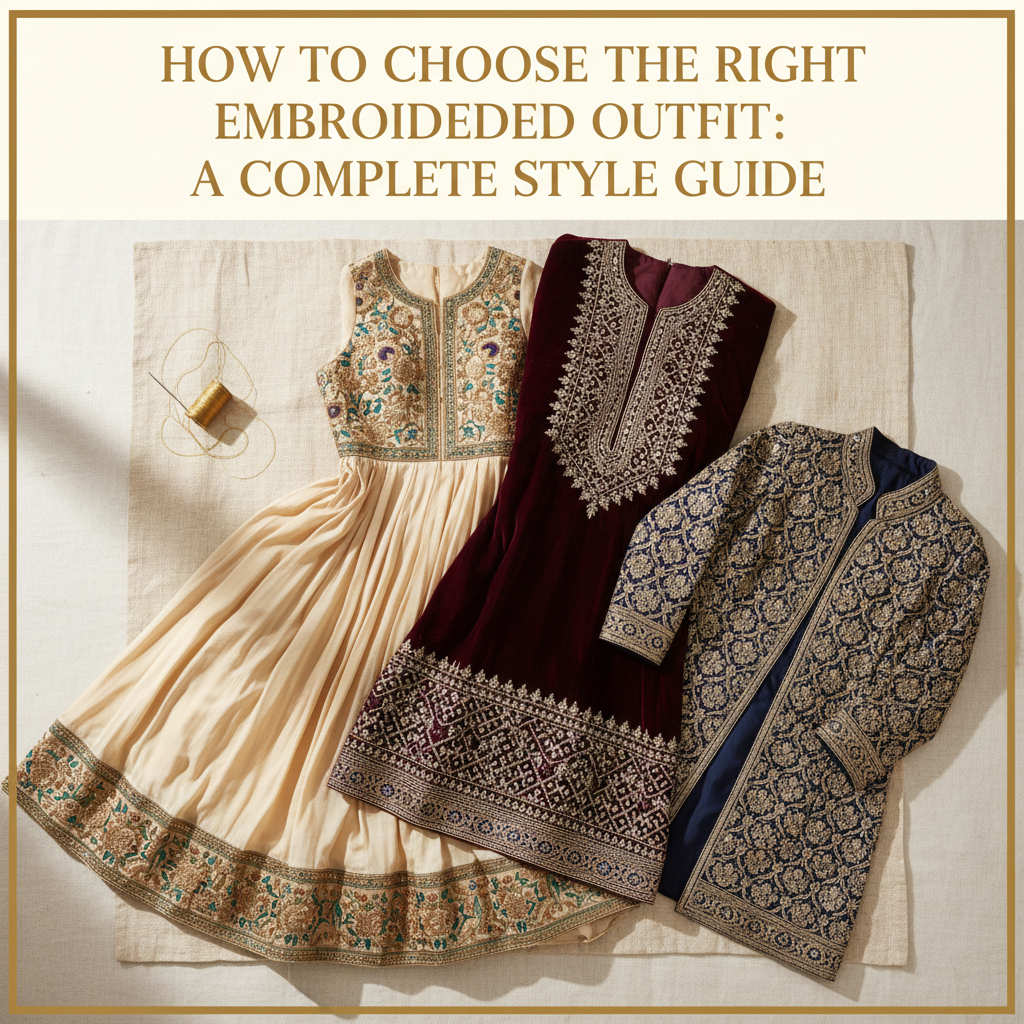
How to Choose the Right Embroidery Technique
With so many embroidery styles available, selecting the right one depends on several factors:
Occasion: Formal events often suit zari, beadwork, or ribbon embroidery, while casual wear may benefit from Chikankari or simple hand embroidery.
Fabric Type: Lightweight fabrics pair well with delicate embroidery, while heavier materials can support dense embellishments.
Personal Style: Minimalists may prefer subtle threadwork, while those who enjoy bold fashion can opt for mirror work or heavily embellished designs.
Comfort: Consider the weight and texture of embroidery, especially for garments worn for extended periods.
Conclusion
Embroidery is much more than decorative stitching—it is a reflection of culture, artistry, and craftsmanship. Each embroidery technique has its own unique history, aesthetic appeal, and application. From the timeless elegance of Chikankari and the regal beauty of zari work to the vibrant charm of mirror work and the glamour of bead embroidery, every style offers something special.
Understanding these top 10 embroidery techniques can help you make informed fashion choices, appreciate the skill behind embroidered garments, and discover new styles that align with your personality. Whether you’re a fashion enthusiast, designer, or shopper, embroidery continues to be a timeless art form that adds beauty and character to every piece it adorns.